

The Hidden Cost of Growth: Understanding the Challenges of Bad Debt
Bad debt is one of the most overlooked financial threats facing individuals, families, and businesses. It often starts small, sometimes disguised as convenience or short-term relief, but over time it can grow into a serious burden. Whether it comes from credit cards, personal loans, unpaid invoices, or borrowed money with high interest rates, bad debt creates pressure that can damage financial stability and emotional well-being.
Understanding the challenges of bad debt is the first step toward avoiding it and building a stronger financial future.
What Is Bad Debt?
Bad debt is generally debt used to purchase things that lose value quickly or do not generate future income. Examples include carrying high-interest credit card balances for everyday spending, financing luxury purchases beyond your means, or taking on loans without a clear repayment plan.
This differs from productive debt, such as a mortgage on a reasonably priced home, student loans tied to strong career prospects, or business borrowing used wisely to increase revenue.
The key difference is whether the debt helps build wealth or slowly drains it.
The Stress of High Interest Payments
One of the biggest challenges of bad debt is interest. Many people focus on the monthly payment instead of the total cost. A credit card balance with a high interest rate can turn a modest purchase into a much larger expense over time.
When a person makes only minimum payments, a large portion often goes toward interest rather than principal. This can create a cycle where balances remain for years, even when regular payments are made.
That is how bad debt traps people. They feel like they are paying, but little progress is being made.
Reduced Cash Flow and Limited Options
Bad debt also reduces monthly cash flow. Money that could be used for savings, investing, emergencies, or family needs gets redirected toward payments.
This creates a dangerous situation when life changes unexpectedly. A car repair, medical bill, or job interruption can become a crisis if all available income is already committed to debt.
Many households do not fail because they lack income. They struggle because too much income is already spoken for.
Damage to Credit Scores
Another challenge of bad debt is the effect on credit. High balances, missed payments, defaults, or collections can lower credit scores. Once that happens, borrowing money in the future often becomes more expensive.
Lower credit scores may affect:
- Mortgage approvals
- Auto loan rates
- Credit card offers
- Rental applications
- Insurance pricing in some cases
Bad debt can create a double penalty. First the person pays high interest now, then they may pay even more later due to damaged credit.
Emotional and Relationship Pressure
Debt is not just a math problem. It often becomes an emotional burden. Constant bills, collection calls, and financial uncertainty can create anxiety, sleeplessness, and stress.
In families, money problems are one of the leading sources of conflict. Couples may disagree about spending, repayment priorities, or who caused the debt. Business partners may face similar tension when unpaid obligations grow.
Bad debt often harms peace of mind long before it harms a balance sheet.
Business Challenges from Bad Debt
For companies, bad debt often refers to money owed by customers that is unlikely to be collected. This can seriously hurt cash flow and profitability.
A business may show sales on paper but still struggle if customers do not pay. That can create problems with payroll, inventory, taxes, and vendor relationships.
Strong credit policies, deposits, invoicing systems, and follow-up collections are critical to reducing business bad debt.
How to Fight Back Against Bad Debt
The good news is bad debt can be managed and reduced with discipline.
Start by listing all debts, balances, interest rates, and minimum payments. Focus first on the highest interest obligations or smallest balances for quick wins. Cut unnecessary spending and redirect extra money toward repayment.
Also consider:
- Avoiding new debt while paying off old balances
- Negotiating lower rates when possible
- Building an emergency fund
- Creating a realistic monthly budget
- Seeking professional financial counseling if needed
Final Thoughts
Bad debt is challenging because it steals future income, limits freedom, and creates ongoing stress. It can affect your finances, relationships, and long-term opportunities.
The strongest move is not pretending it will fix itself. Face it directly, make a plan, and take steady action. Even small consistent progress can turn a heavy burden into a manageable path forward.
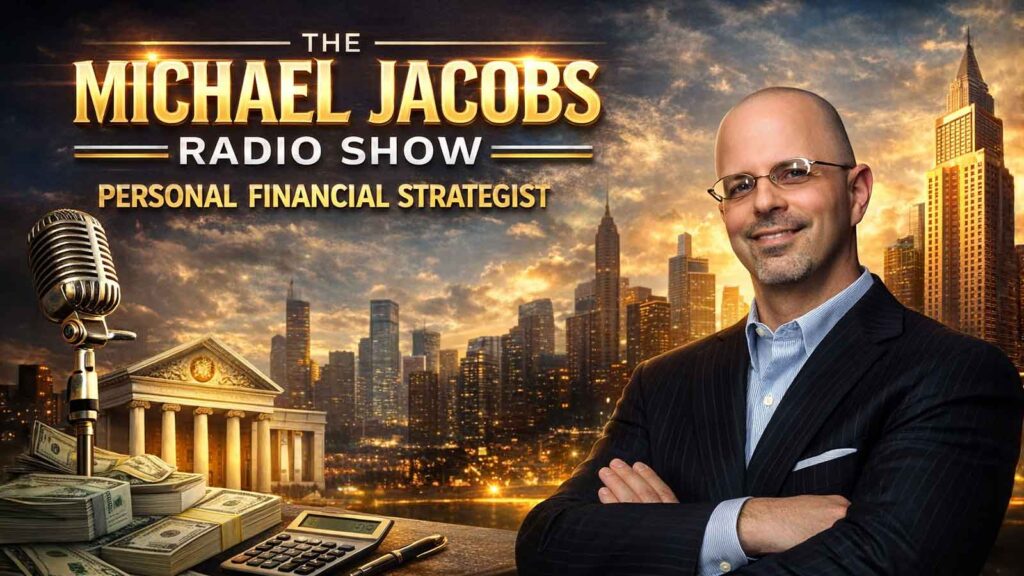
This episode features Michael Jacobs Radio Show on the Building Fortunes Network, with host Peter Mingils and Michael talks about Good and Bad debt.
Reach out to Michael Jacobs, on (443) 506-3841
For commercial lending, make sure you look at:
https://commerciallendingaccess.com
Here are ways to learn more about Michael Jacobs:
https://www.linkedin.com/in/michael-jay-jacobs/